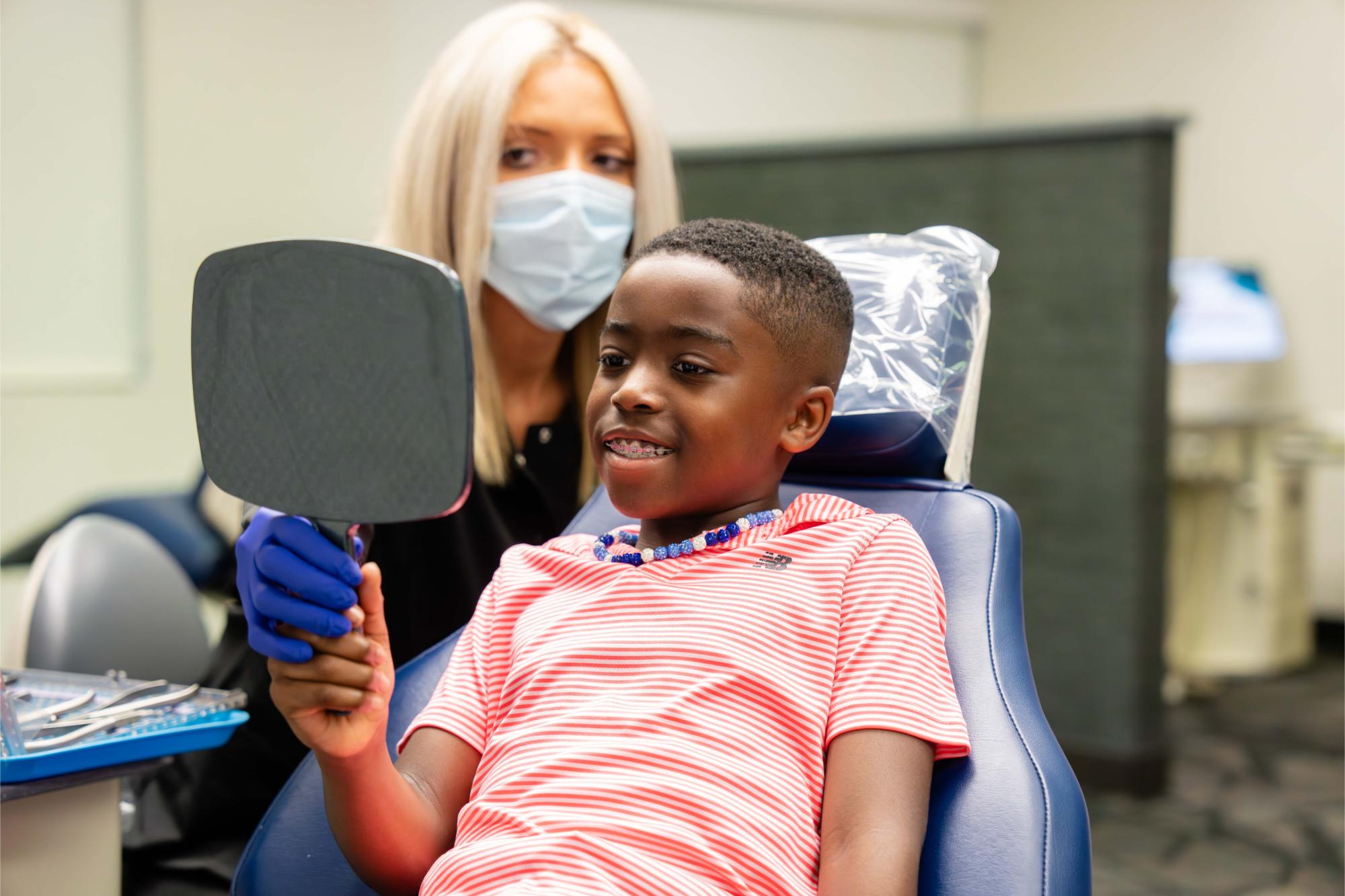
Wondering when to book that first orthodontic visit for your child? You’re not alone. It’s one of the most common questions parents ask us at Dr. G Orthodontics, and the answer might come earlier than you’d expect. Knowing when your child should first see an orthodontist can make a real difference in how smoothly their smile develops through the growing years.
Let’s walk through the recommended timing, what to look for, and what actually happens at that first visit.
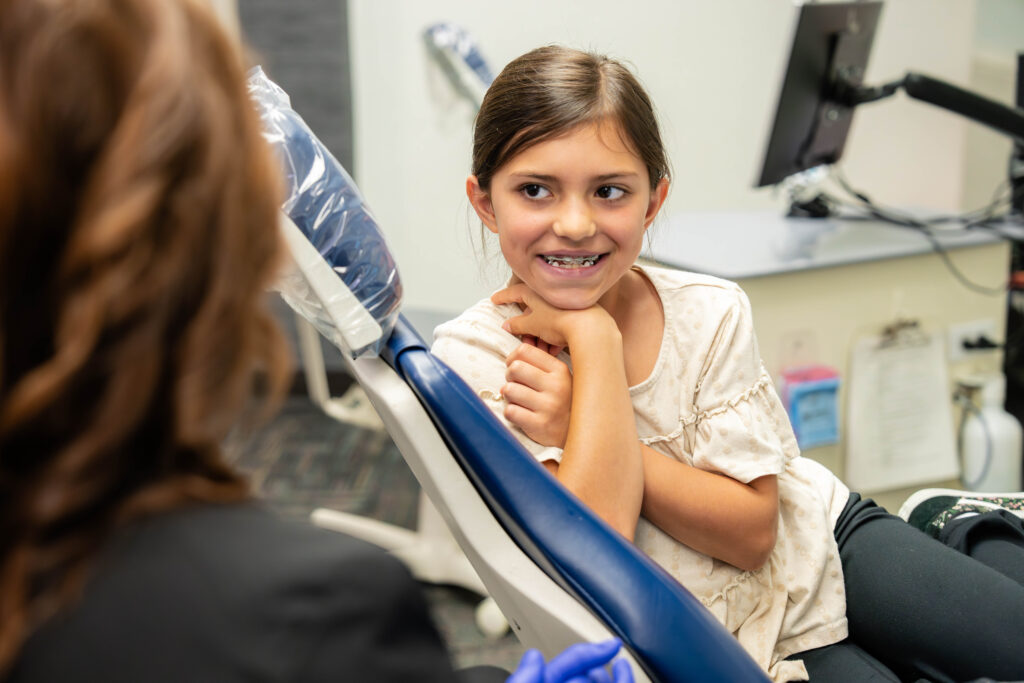
Quick Answer: Age 7 Is the Recommended First Visit
The American Association of Orthodontists (AAO) recommends every child have a first orthodontic evaluation by age 7. By this age, the first permanent molars and front incisors have typically erupted, giving Dr. Kyle Gopffarth a clear view of how the bite and jaw are developing.
Here’s the part that surprises most parents: an evaluation is not the same as starting treatment. The vast majority of small smiles seen at age 7 are simply monitored, not treated. It’s a checkpoint, not a commitment.
A few key things to know:
- Age 7 gives us the earliest reliable snapshot of bite development
- Early screening helps catch crowding, crossbites, and jaw growth concerns while they’re easier to correct
- If your child is already older than 7, it’s not too late. An evaluation is still worthwhile at any age
- Dr. G Orthodontics offers a complimentary first evaluation, so there’s no pressure to jump into treatment
What Happens at Your Child’s First Orthodontic Evaluation
That first visit at Dr. G Orthodontics is relaxed, kid-friendly, and designed to answer your questions, not to sell treatment. Dr. Gopffarth takes time to understand your child’s dental history, growth patterns, and any habits before making any recommendations.
Here’s what to expect during the visit:
- A thorough exam of your child’s teeth, jaw alignment, and bite relationship
- Digital X-rays or 3D scans to see how permanent teeth are developing beneath the gums
- A review of eruption timing and any habits like thumb sucking or mouth breathing
- A plain-language conversation with you about what Dr. G sees and what it means
- A clear recommendation: begin early treatment now, monitor with periodic check-ins, or take no action at all
Most families leave with one of three outcomes. Some are told everything looks great and to check back in a year. Others enter a monitoring program with visits every 6 to 12 months to track jaw growth as new teeth come in. A smaller group is a candidate for early, targeted treatment.
The goal? To give you information, not pressure. Dr. Gopffarth and the team at Dr. G Orthodontics believe you’re more than a smile here, and that starts with honest conversations from the very first visit.
Benefits of Early Orthodontic Evaluation
An early evaluation isn’t about rushing into braces. It’s about spotting issues while your child’s jaw and mouth are still growing and easier to guide. Bones are more malleable in younger kids, which gives Dr. G a wider set of options if intervention is needed.
How does early evaluation guide jaw growth?
While bones are still developing, gentle guidance can shape how the upper and lower jaws come together. Expanders and other early appliances take advantage of natural growth windows that close as your child matures. Catching a crossbite or narrow arch during this period often means simpler correction and better long-term stability. Waiting until growth completes can turn a straightforward correction into something far more involved.
What issues can early evaluation catch?
An early exam can flag crowding, crossbites, underbites, protruding front teeth, and habit-related concerns before they become entrenched. It can also identify missing, extra, or impacted permanent teeth hiding beneath the gums. Even when nothing needs attention right away, having a baseline helps Dr. Gopffarth spot changes at future check-ins. Early awareness gives your family time to plan and prepare rather than react.
Why does timing matter for young smiles?
The mouth changes quickly between ages 6 and 12 as baby teeth give way to permanent ones. Timing an intervention to match a specific growth stage often shortens overall treatment time and reduces the need for extractions or more involved options later. It can also reduce injury risk from protruding front teeth during sports or play. In many cases, addressing a concern early sets up a smoother experience with full braces or clear aligners during the teen years.
Key benefits of an early orthodontic evaluation include:
- Guides jaw growth while bones are still developing and responsive to gentle correction
- Corrects crossbites and underbites before growth completes, when correction is simpler
- Creates room for permanent teeth, sometimes reducing or eliminating the need for future extractions
- Addresses harmful habits like thumb sucking or tongue thrusting before they affect bite alignment
- Reduces injury risk from protruding front teeth during sports or play
- Can shorten or simplify full braces or clear aligner treatment in the teen years
Think of it like a well-child checkup for the bite. Even when no treatment is needed, you gain peace of mind and a clear plan for the years ahead. And if early action is recommended, catching it now often means less time in braces later.
Parents often tell us they wish they’d known about the age 7 recommendation sooner. That’s why Dr. G Orthodontics makes early evaluations easy, welcoming, and free of pressure from the very first visit.
Phase 1 Early Treatment vs. Waiting for Complete Braces
If your child does need early intervention, it’s called Phase 1 or interceptive treatment. Most kids evaluated at age 7 don’t need it. Monitoring is far more common. But for those who do, Phase 1 can make a meaningful difference.
Here’s a side-by-side look at the two approaches:
| Feature | Phase 1 (Early Treatment) | Phase 2 (Complete) |
|---|---|---|
| Typical age | 7–10 years old | 11+ years old |
| Appliances used | Expanders, partial braces, habit appliances | Full braces or clear aligners |
| Duration | Usually shorter, focused | 12–24 months, full correction |
| Best for | Crossbites, severe crowding, skeletal issues, protruding teeth | Alignment once most permanent teeth have erupted |
| Follow-up | Often followed by Phase 2 later | Typically the final stage |
Phase 1 is recommended when a growth-related issue would be harder or impossible to correct once your child stops growing. Waiting until all permanent teeth erupt works beautifully when no skeletal or crowding concerns exist.
Dr. Gopffarth walks parents through both paths honestly, explaining why one makes more sense than the other for your child’s specific situation. The goal is always the treatment approach that gives your child the healthiest smile with the least time in braces overall.
Cost of an Orthodontic Evaluation and Early Treatment
Initial orthodontic consultations at Dr. G Orthodontics are complimentary, so families can get expert answers without financial commitment. If treatment is recommended, costs vary based on complexity, appliances, and duration.
Here’s a general breakdown of what to expect:
- Initial evaluation: Free consult at Dr. G Orthodontics
- Phase 1 early treatment: Typically less than full braces because it’s shorter and more targeted
- Complete treatment (braces or clear aligners): Generally ranges $3,000–$7,000
- Insurance: Many dental plans include an orthodontic rider that covers a portion of treatment
- HSA/FSA funds: Can be used to offset out-of-pocket costs
Dr. G Orthodontics offers flexible payment plans designed to keep your child’s dream smile within reach. The team will walk you through every option before any decision is made, so there are no surprises along the way.
Signs Your Child May Need to See an Orthodontist Sooner
While age 7 is the standard recommendation, certain signs may warrant an earlier visit. If you notice any of the following, it’s worth scheduling a free consult sooner rather than waiting.
Watch for these signs your child may need orthodontic attention:
- Early or late loss of baby teeth compared to the typical timeline
- Crowded, overlapping, or noticeably misaligned teeth
- Difficulty chewing, biting, or speaking clearly
- Thumb or finger sucking that continues past age 4 or 5
- Mouth breathing, snoring, or jaw clicking or shifting when opening
- Protruding front teeth or a visibly uneven bite (overbite, underbite, or crossbite)
None of these signs automatically mean braces are in your child’s future. But they’re good reasons to have Dr. Gopffarth take a look. A quick visit can rule out concerns or catch something early, when correction is simplest.
Frequently Asked Questions
When should kids first go to the orthodontist?
The American Association of Orthodontists recommends a first orthodontic evaluation by age 7. By this age, enough permanent teeth have erupted for an orthodontist to spot developing issues with the bite, jaw, or spacing. If your child is older than 7 and hasn’t been seen yet, an evaluation is still valuable at any age.
Is 7 years old too early for braces?
No, and that’s the good news. Age 7 is the ideal age for an evaluation, not typically for braces themselves. Most children seen at this age are simply monitored as they grow. Only a small percentage need early Phase 1 treatment, and full braces or clear aligners usually come later, around ages 11 to 14.
How do I know if my child needs orthodontics?
Watch for signs like crowded teeth, difficulty chewing, thumb sucking beyond age 5, mouth breathing, or a visibly uneven bite. These are worth mentioning at a free consult. That said, only a specialist like Dr. Gopffarth can confirm whether treatment is truly needed. Many alignment concerns aren’t visible from the outside.
Will my child need braces just because they had an evaluation?
Not at all. Most kids evaluated at age 7 don’t start treatment right away. The evaluation is a checkpoint. Dr. G Orthodontics often places young members of our patient family into a friendly monitoring program with visits every 6 to 12 months, so we can time any future treatment perfectly.
Does insurance cover the first evaluation?
At Dr. G Orthodontics, initial consultations are complimentary, so insurance isn’t a factor for the first visit. If treatment is recommended, many dental insurance plans include an orthodontic rider that covers a portion. Our team will review your benefits and explain your options clearly before you make any decisions.
How often are monitoring visits?
Monitoring visits are typically scheduled every 6 to 12 months, depending on your child’s growth pattern and developing bite. These check-ins are quick, friendly, and free. They let Dr. Gopffarth catch the ideal window to begin treatment if and when it’s ever needed.
Learning when your child should first see an orthodontist is one of the most helpful pieces of information a parent can have. An early evaluation gives your family clarity, options, and peace of mind, whether treatment ends up being needed now, later, or not at all. Your smile, our priority, starts with that very first visit and continues through every step of your child’s smile journey.