Choosing between clear aligner brands can feel overwhelming, especially when you’re weighing cost, treatment time, and long-term results. If you’ve been researching Oliv Aligners vs. Invisalign, you’re comparing two of the most talked-about orthodontist-provided systems on the market today. Both offer discreet, removable trays that gradually straighten your smile without the look of modern metal braces.
At Dr. G Orthodontics, Dr. Kyle Gopffarth helps our patient family understand the real differences between these systems so you can make a confident choice. Let’s break down how each one works, what they cost, and which might be the better fit for your smile goals.
What Are Oliv Aligners and Invisalign?
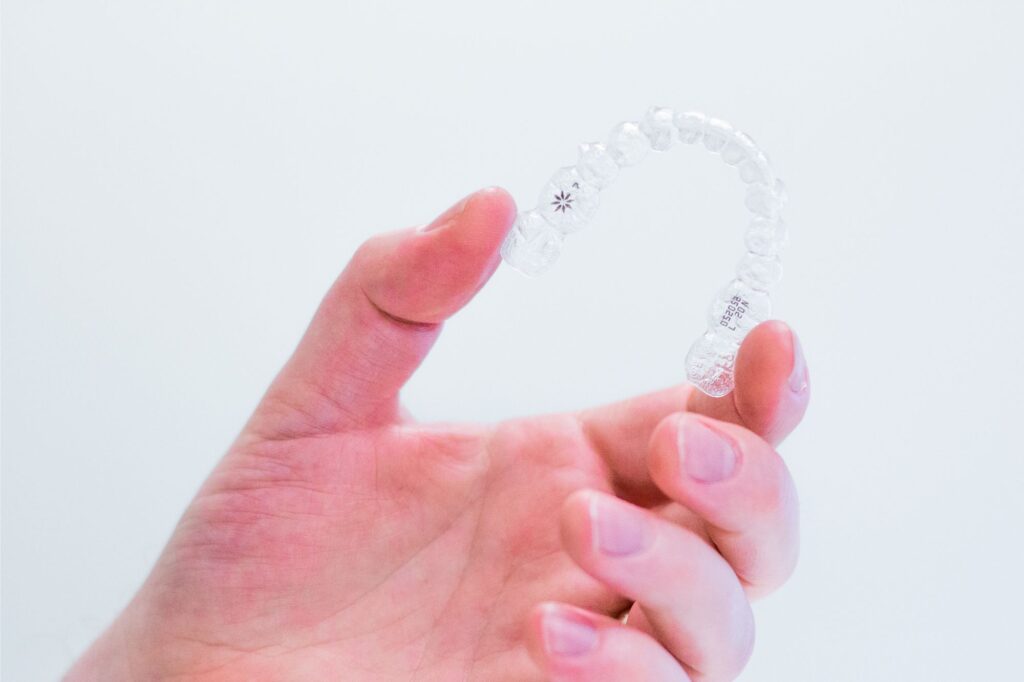
Oliv Aligners and Invisalign are both custom-made clear aligner systems used to straighten teeth without brackets or wires. Invisalign, created by Align Technology in 1998, is the market-leading brand with the longest clinical track record. Oliv is a newer orthodontist-exclusive aligner system designed to give doctors more flexibility while keeping treatment budget-friendly for families.
Both systems share important qualities:
- Custom-fit clear trays that shift teeth gradually
- Available only through certified orthodontists (not direct-to-consumer)
- Suitable for mild to moderate-complex cases
- Designed for teens and adults
The key difference? Invisalign has decades of research and a massive provider network. Oliv is a modern challenger that many orthodontists appreciate for its flexibility and value. At Dr. G Orthodontics, Dr. Gopffarth evaluates your bite, tooth position, and lifestyle before recommending the system that fits you best. This kind of personalized evaluation is what separates a professionally guided aligner plan from mail-order kits that never involve a specialist.
How Oliv and Invisalign Treatment Works
The treatment process for both aligner brands follows a similar path, though small differences exist in materials and lab timelines. Here’s what your experience looks like from start to finish:
- Digital scan of your smile. Dr. Gopffarth uses an iTero or similar intraoral scanner to capture a detailed 3D image of your teeth. No messy impressions required.
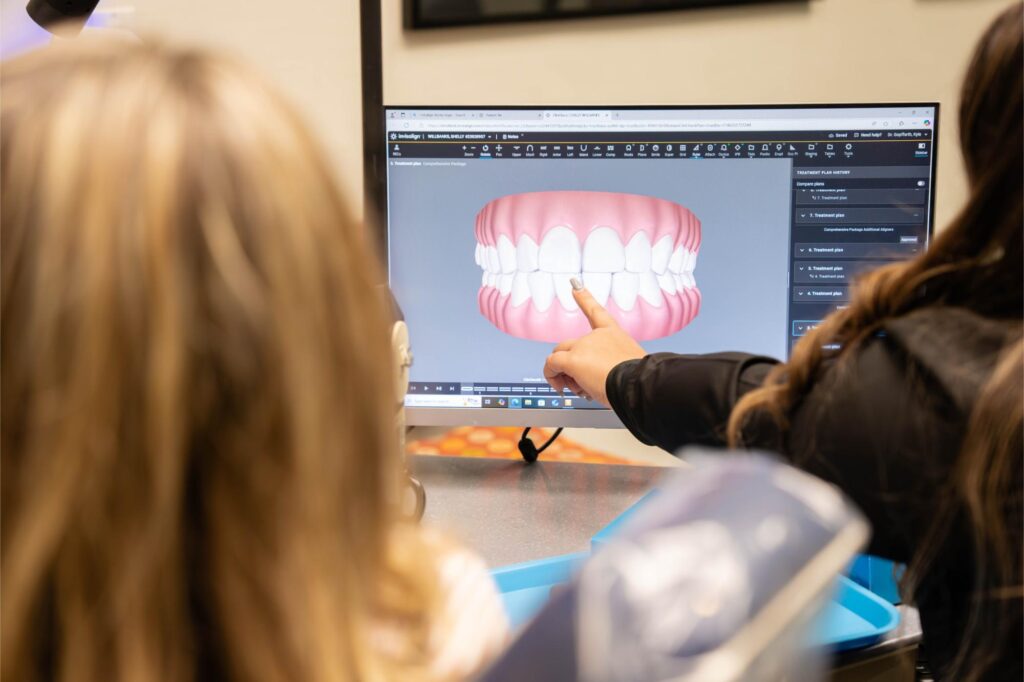
- Custom treatment plan. Your scan is used to design a step-by-step plan that shows how your teeth will move. You’ll see a digital preview of your final smile before you start.
- Aligner fabrication. Your custom trays are made and shipped to our practice. Invisalign uses its proprietary SmartTrack material, while Oliv uses its own clear thermoplastic blend.
- Wear your aligners 20-22 hours per day. You’ll take them out only for meals, drinks (other than water), and brushing.
- Switch trays every 1-2 weeks. Each new set moves your teeth a little closer to the goal.
- Progress visits every 6-10 weeks. Dr. G checks your fit, tracks movement, and adjusts as needed.
- Refinements if needed. Both brands offer refinement aligners at the end of treatment to perfect your final result.
The technology behind both systems is impressive. What matters most is the orthodontist guiding the process, which is why choosing a practice you trust makes all the difference. A skilled provider knows when to add attachments, when to slow tray progression, and how to interpret subtle shifts the software may not flag.
Benefits of Clear Aligners Over Traditional Braces
Clear aligners offer real advantages for people who want a straighter smile without the look and feel of brackets and wires. Whether you choose Oliv or Invisalign, you’ll enjoy a treatment experience designed for modern lifestyles.
Why Choose Clear Aligners?
Here’s why so many teens and adults choose clear aligners:
- Nearly invisible appearance. Most people won’t notice you’re wearing them, which is a huge plus for professionals, teens, and anyone who feels self-conscious about braces.
- Removable for meals and hygiene. Take them out to eat whatever you want. No food restrictions, no popcorn worries, no getting broccoli stuck in wires.
- No bracket or wire irritation. Clear aligners have smooth edges, so there’s no metal poking your cheeks or lips.
- Fewer emergency visits. No broken brackets means fewer surprise trips to the practice.
- Digital smile preview. Before you start, you’ll see exactly how your smile will look at the end of treatment.
- Predictable visit schedule. Progress checkups are quick and typically spaced further apart than braces adjustments.
How Do Aligners Improve Hygiene?
Brushing and flossing can be tricky around brackets and wires, and food debris often lingers in hard-to-reach spots. Clear aligners change that by giving you unrestricted access to your teeth during your daily routine.
- Easier brushing and flossing. You brush and floss like normal, which helps keep your teeth and gums healthier during treatment.
- Simple tray cleaning. Rinse and gently brush your aligners each day to keep them clear and odor-free.
- Better gum health. Less plaque buildup around teeth typically means less inflammation and lower cavity risk during treatment.
That said, clear aligners aren’t for everyone. They require discipline. If you take them out too often or forget to wear them, your treatment will stall. During your free consult, Dr. G will walk you through what to expect and help you decide if aligners fit your lifestyle.
Oliv vs. Invisalign: Side-by-Side Comparison
Here’s a quick comparison to help you see the differences at a glance:
| Feature | Oliv Aligners | Invisalign |
|---|---|---|
| Year introduced | Newer platform | 1998 |
| Availability | Orthodontist-exclusive | Orthodontists & general dentists |
| Case complexity | Mild to moderate | Mild to complex |
| Treatment time | Typically 6-18 months | Typically 6-24 months |
| Cost range | Often 10-20% lower than Invisalign | Invisalign price range $3,000-$7,000 |
| Attachments | Yes, for complex movements | Yes, for complex movements |
| Refinements | Included per provider policy | Included per provider policy |
| Digital scan tech | iTero or similar | iTero (proprietary) |
| Provider network | Growing | Extensive, worldwide |
Invisalign advantages: Longer clinical track record, broader research base, handles more complex bite issues, and works with a wider variety of tooth movements thanks to years of refinement.
Oliv advantages: Orthodontist-exclusive (which means a specialist is always involved), often more budget-friendly, and built with modern digital workflows from the ground up.
Both brands can deliver beautiful, lasting smiles. The right choice comes down to your specific case, your budget, and your orthodontist’s recommendation. Talking through the trade-offs with a specialist you trust removes the guesswork.
Cost Comparison: Oliv vs. Invisalign
Invisalign treatment typically ranges from $3,000 to $7,000, while Oliv aligners are often priced 10-20% lower for comparable cases. Your final cost depends on how complex your case is, how long treatment takes, and what your insurance covers. Both systems are considered a solid investment in your long-term oral health and confidence.
Several factors influence what you’ll pay:
- Case complexity. Simple crowding costs less than full bite correction.
- Treatment length. Shorter cases typically cost less.
- Insurance coverage. Many orthodontic plans cover clear aligners the same way they cover braces.
- HSA and FSA eligibility. Both aligner systems qualify for tax-advantaged health accounts.
- Flexible payment plans. Dr. G Orthodontics offers flexible payment plans to keep your dream smile within reach.
We believe you shouldn’t have to choose between quality and affordability. That’s why we work with every family to find a plan that fits their budget without cutting corners on care. Ask about promotional pricing during your free consult, since new-start offers sometimes lower the entry cost even more.
Who Is a Good Candidate for Each?
Not every smile is a match for every aligner brand. Here’s a quick guide to help you understand where each option shines:
Oliv Aligners work well for:
- Mild to moderate crowding
- Spacing between teeth
- Minor bite corrections
- Anyone wanting a budget-friendly option
Invisalign works well for:
- Mild to complex cases, including deeper bite issues
- Cases needing extensive tooth movement
- Cases requiring specialized attachments or elastics
Both options require:
- Wearing aligners 20-22 hours per day
- Consistent commitment to the treatment plan
- Regular checkup visits
Severe skeletal issues or major bite misalignments may need modern metal braces or even orthognathic surgery. Dr. Kyle Gopffarth will evaluate your smile during your free consult at Dr. G Orthodontics and recommend the option that will give you the best lasting smile. If aligners aren’t the right match, he’ll walk you through every alternative in plain language so you leave with a clear plan.
Frequently Asked Questions
Who is Invisalign’s biggest competitor?
Invisalign faces competition from several orthodontist-provided aligner systems, including Oliv, Spark by Ormco, and ClearCorrect. Oliv has gained attention as a newer orthodontist-exclusive option that often costs less while delivering comparable results for mild to moderate cases. Direct-to-consumer brands exist too, but they don’t include in-person orthodontist supervision, which limits how safely they can handle real tooth movement.
Which clear aligner brand is best?
The best clear aligner brand depends on your specific case, budget, and the orthodontist treating you. Invisalign has the longest track record and handles the widest range of cases. Oliv is a strong budget-friendly option for mild to moderate cases. The orthodontist guiding your care matters more than the brand name on the box, since the treatment plan is what actually moves your teeth.
Is $3,000 a good price for Invisalign?
$3,000 is on the lower end of the typical Invisalign price range and usually indicates a simpler case, such as minor crowding or spacing. More complex cases often fall in the $5,000-$7,000 range. At Dr. G Orthodontics, we offer flexible payment plans to help make treatment fit your family’s budget.
How much do Oliv aligners cost?
Oliv aligners are often priced 10-20% lower than comparable Invisalign treatment, though the exact cost depends on your case complexity and treatment length. Your free consult with Dr. G will include a personalized quote and a breakdown of financing options.
Are Oliv aligners as effective as Invisalign?
For mild to moderate cases, Oliv aligners can deliver results comparable to Invisalign when treatment is guided by an experienced orthodontist. Invisalign has more years of clinical data behind it and may be the better choice for complex bite corrections. Dr. Gopffarth will recommend the system that fits your case best after reviewing your scans and bite records.
How long does Oliv treatment take vs. Invisalign?
Both Oliv and Invisalign treatment typically take 6-18 months for average cases, though complex Invisalign cases can extend to 24 months or longer. Your treatment time depends on how much your teeth need to move and how consistently you wear your aligners. Wearing them 20-22 hours a day keeps you on schedule and helps avoid setbacks that add months to the plan.
How do I decide between Oliv and Invisalign?
Start with a free consult. An experienced orthodontist can look at your scans, review your goals, and match you with the system that gives you the best result at a price that fits your budget. You can also learn more about our clear aligner options before deciding. Your smile, our priority, from the first visit forward.